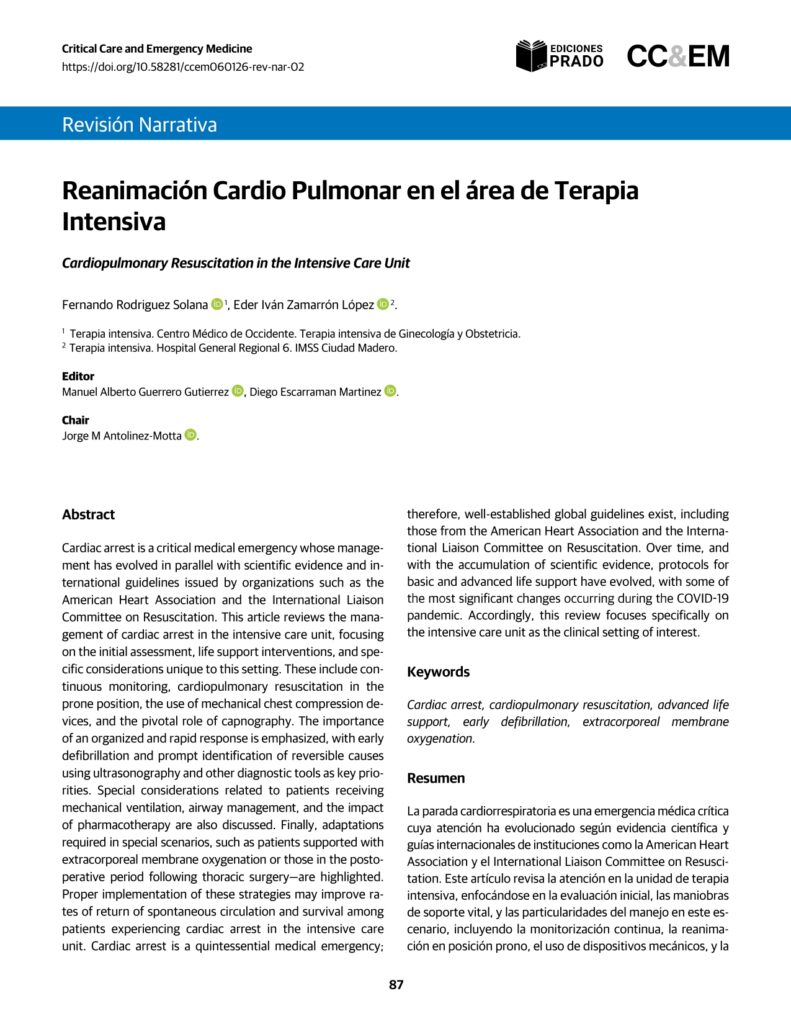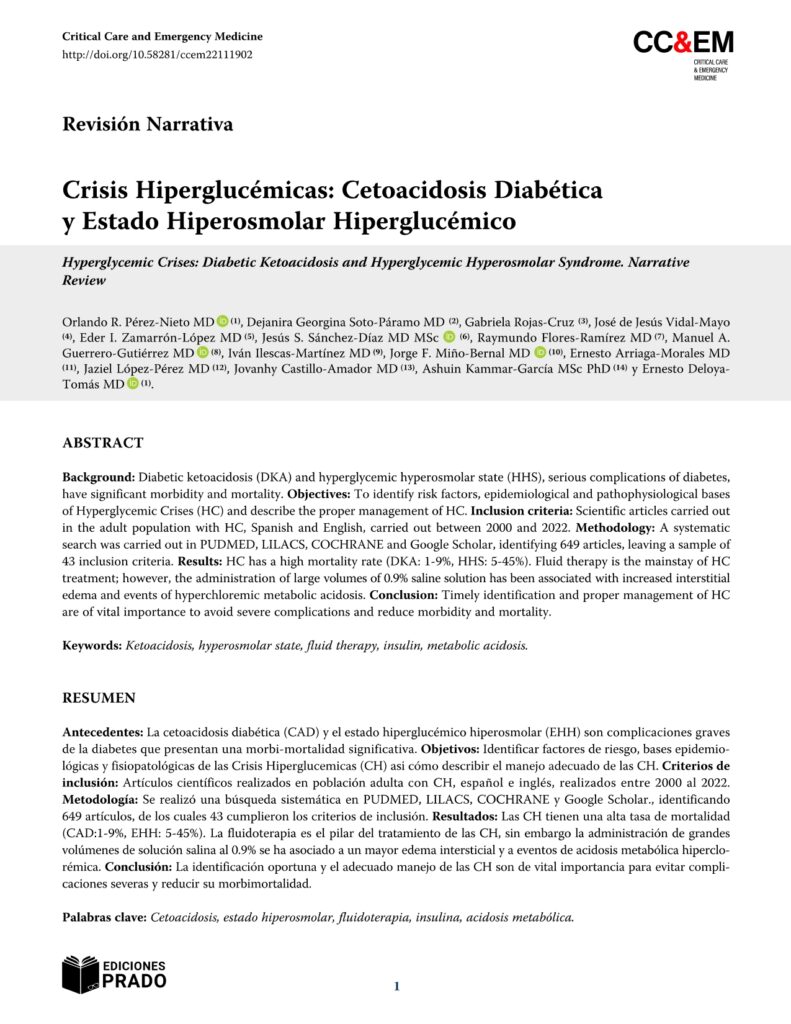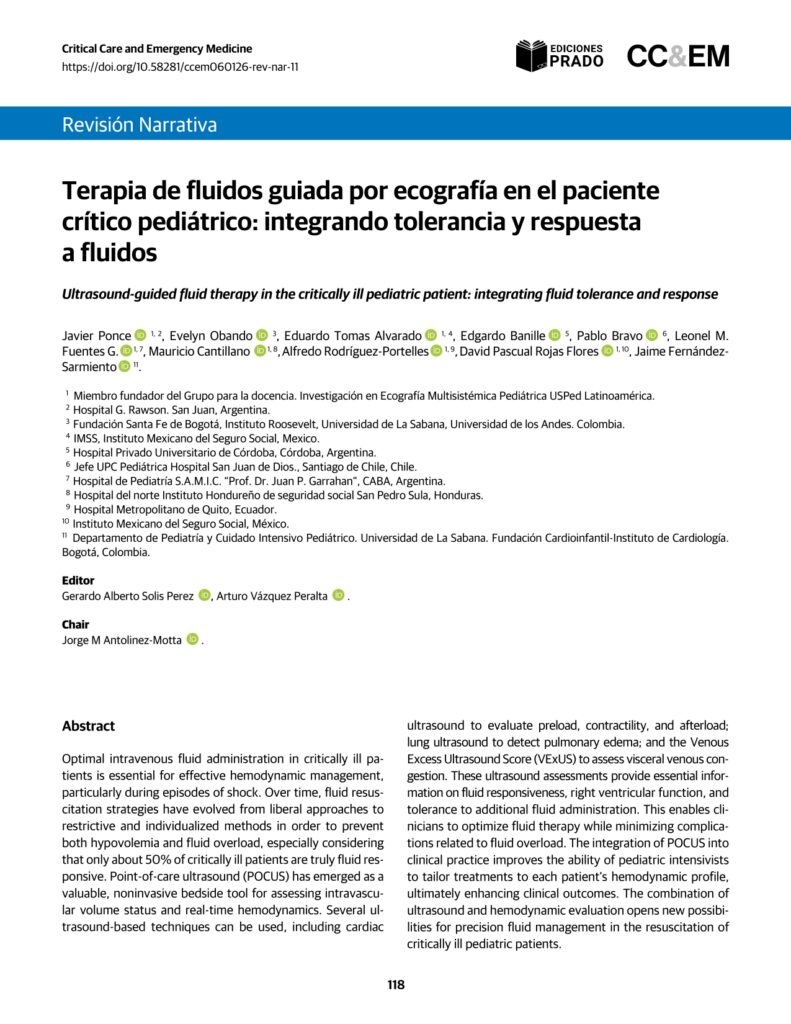
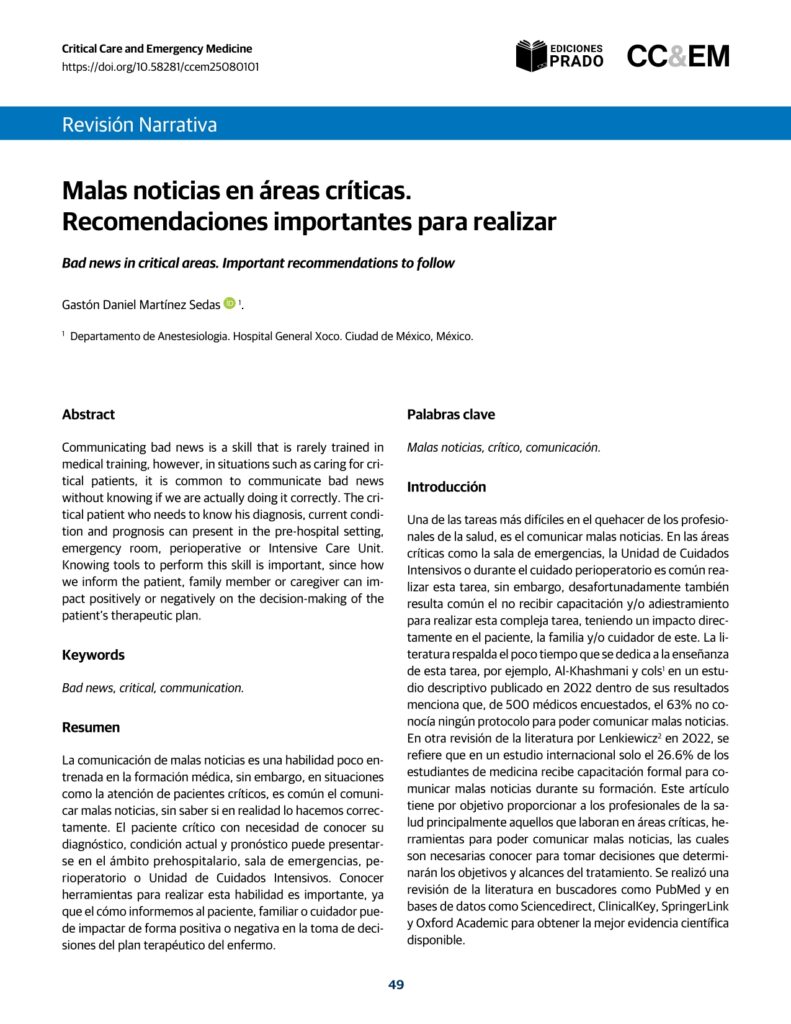
POCUS ocular en Emergencias y Medicina Crítica Pediátrica: Diámetro de la Vaina del Nervio Óptico, Pupilometría y Reflejo Fotomotor.
CRITICAL CARE & EMERGENGY MEDICINE VOL. 4
Ocular POCUS in Pediatric Emergency and Critical Care Medicine: Optic Nerve Sheath Diameter, Pupillometry, and Photomotor Reflex

- 2 agosto, 2025
- Revisión narrativa, Volumen 4.
Patrick Danny Caqui Vilca 1  , Javier Ponce 2 , Edwin Mauricio Cantillano Quintero 3 , David Pascual Rojas Flores 4 , Jesus Angel Domínguez-Rojas 5 .
1 Instituto Nacional de Salud del Niño San Borja. Lima, Perú.
2 Hospital Guillermo Rawson. San Juan, Argentina.
3 Hospital del Norte del Instituto Hondureño de Seguridad Social. San Pedro Sula, Honduras.
4 Hospital General Regional No. 1 del Instituto Mexicano del Seguro Social. Querétaro, México.
5 Hospital: Instituto Nacional de Salud del Niño – San Borja. Lima, Perú.
Miembros de USPed Latinoamérica.
Abstract
Early detection of elevated intracranial pressure (ICP) is crucial for the timely diagnosis and management of intracranial hypertension in critically ill pediatric patients, helping to prevent secondary brain injury and reduce mortality. Invasive ICP monitoring remains the gold standard for both initial diagnosis and follow-up assessments, providing accurate real-time measurements. The measurement of optic nerve sheath diameter (ONSD) has emerged as a valuable non-invasive method for assessing ICP, alongside various sonographic ratio-based approaches, which have demonstrated high sensitivity for detecting raised ICP. However, the relationship between the optic nerve sheath and ICP is complex.
Changes in the width and dynamics of the sheath are influenced not only by intracranial pressure but also by age, anterior fontanelle patency, and the underlying pathology. The ICP threshold above which pressure should be considered abnormal varies with age and other factors that affect ONSD measurements. Ultrasound-based evaluation of pupillary diameter and light reflex offers a simple technique to complement the neurological examination, especially in patients with eyelid abnormalities. Ocular point-of-care ultrasound (POCUS) enables the detection of sonographic signs suggestive of elevated ICP in children. It is easy to learn and perform, free of ionizing radiation, and, despite some limitations, represents a key tool in the management of neurocritical pediatric patients in emergency and intensive care settings.
Resumen
Le medición temprana de la presión intracraneal elevada es importante para el diagnóstico y tratamiento oportuno de la hipertensión intracraneal en pacientes pediátricos gravemente enfermos, previniendo el daño cerebral secundario y la mortalidad. Las mediciones invasivas de la presión intracraneal son actualmente el estándar de oro para el diagnóstico inicial y las evaluaciones de seguimiento de la misma en términos de mediciones precisas en tiempo real. La medición del diámetro de la vaina del nervio óptico es un método no invasivo útil para evaluar la presión intracraneal, así como la medición de diferentes proporciones sonográficas, las cuales son muy sensibles para la detección de elevación de la presión intracraneal. La relación entre la vaina del nervio óptico y la presión intracraneal es compleja. Los cambios en el ancho y la dinámica de la vaina del nervio óptico no solo se afectan por la presión intracraneal, sino también por la edad, la permeabilidad de la fontanela anterior y el tipo de patología. El umbral por encima del cual el nivel de presión intracraneal debe considerarse anormal también varía según la edad, y otros factores que afectan el ancho y la dinámica de los cambios en la vaina del nervio óptico. La evaluación del diámetro pupilar y el reflejo fotomotor mediante ecografía es una técnica sencilla que permite completar el examen neurológico en pacientes con alteraciones palpebrales. El ultrasonido en el punto de atención ocular nos permite detectar cambios indicativos de presión intracraneal elevada en niños, es fácil de aprender y realizar, no genera radiación ionizante, y su uso y aplicación no está exenta de limitaciones, que una vez conocidas, se vuelve una herramienta clave en el paciente neurocrítico en emergencias y la terapia intensiva.
Keywords
Optic nerve sheath, POCUS, pediatrics, intracranial pressure, transverse ocular diameter.
Biografias de autores
Patrick Danny Caqui Vilca
Instituto Nacional de Salud del Niño San Borja. Lima, Perú.
Javier Ponce
Hospital Guillermo Rawson. San Juan, Argentina.
Edwin Mauricio Cantillano Quintero
Hospital del Norte del Instituto Hondureño de Seguridad Social. San Pedro Sula, Honduras.
David Pascual Rojas Flores
Hospital General Regional No. 1 del Instituto Mexicano del Seguro Social. Querétaro, México.
Jesus Angel Domínguez-Rojas
Hospital: Instituto Nacional de Salud del Niño – San Borja. Lima, Perú. Miembros de USPed Latinoamérica.
Referencias
- Cannata G, Pezzato S, Esposito S, Moscatelli A. Optic Nerve Sheath Diameter Ultrasound: A Non-Invasive Approach to Evaluate Increased Intracranial Pressure in Critically Ill Pediatric Patients. Diagnostics (Basel). 2022 Mar 21;12(3):767. doi: 10.3390/diagnostics12030767.
- Hawryluk, G.W.J., Citerio, G., Hutchinson, P. et al. Intracranial pressure: current perspectives on physiology and monitoring. Intensive Care Med 48, 1471–1481 (2022). https://doi.org/10.1007/s00134-022-06786-y.
- Agrawal S, Abecasis F, Jalloh I. Neuromonitoring in Children with Traumatic Brain Injury. Neurocrit Care. 2024 Feb;40(1): 147-158. doi: 10.1007/s12028-023-01779-1.
- Treggiari MM, Schutz N, Yanez ND, Romand JA. Role of intracranial pressure values and patterns in predicting outcome in traumatic brain injury: a systematic review. Neurocrit Care. 2007;6(2):104-12. doi: 10.1007/s12028-007-0012-1.
- Kasturiarachi BM, Michaels M, Sharma S. Intracranial Pressure. Crit Care Clin. 2025 Jul;41(3):529-539. doi: 10.1016/j.ccc.2025.03.003
- Rosenberg JB, Shiloh AL, Savel RH, Eisen LA. Non-invasive methods of estimating intracranial pressure. Neurocrit Care. 2011 Dec;15(3):599-608. doi: 10.1007/s12028-011-9545-4.
- Le A, Hoehn ME, Smith ME, Spentzas T, Schlappy D, Pershad J. Bedside sonographic measurement of optic nerve sheath diameter as a predictor of increased intracranial pressure in children. Ann Emerg Med. 2009 Jun;53(6):785-91. doi: 10.1016/j.annemergmed.2008.11.025
- Singh Y, Tissot C, Fraga MV, Yousef N, Cortes RG, Lopez J, Sanchez-de-Toledo J, Brierley J, Colunga JM, Raffaj D, Da Cruz E, Durand P, Kenderessy P, Lang HJ, Nishisaki A, Kneyber MC, Tissieres P, Conlon TW, De Luca D. International evidence-based guidelines on Point of Care Ultrasound (POCUS) for critically ill neonates and children issued by the POCUS Working Group of the European Society of Paediatric and Neonatal Intensive Care (ESPNIC). Crit Care. 2020 Feb 24;24(1):65. doi: 10.1186/s13054-020-2787-9.
- Lin JJ, Chen AE, Lin EE, Hsia SH, Chiang MC, Lin KL. Point-ofcare ultrasound of optic nerve sheath diameter to detect intracranial pressure in neurocritically ill children – A narrative review. Biomed J. 2020 Jun;43(3):231-239. doi: 10.1016/j.bj.2020.04.006.
- Caqui-Vilca P, Omar Heredia Orbegoso G, Cantillano-Quintero E, Domínguez-Rojas JA. Utilidad del monitoreo multimodal de niños con amebas de vida libre cerebral en terapia intensiva. revisión narrativa de la literatura a propósito de un caso fatal. Revista de Medicina Intensiva y Cuidados Críticos.2021;14(2):84-91. doi: 0000-0001-6141-6622
- Helmke K, Hansen HC. Fundamentals of transorbital sonographic evaluation of optic nerve sheath expansion under intracranial hypertension. I. Experimental study. Pediatr Radiol. 1996 Oct;26(10):701-5. doi: 10.1007/BF01383383.
- Sargsyan AE, Blaivas M., Geeraerts T., Karakitsos D. Ultrasonido ocular en la unidad de cuidados intensivos. En: Lumb P., Kara kitsos D., editores. Ultrasonido en cuidados críticos. 1ª edición. Elsevier Saunders; Filadelfia, PA, EE. UU.: 2014. 978-1-4557-5357-4.
- Killer H.E., Laeng H.R., Flammer J., Groscurth P. Architecture of arachnoid trabeculae, pillars, and septa in the subarachnoid space of the human optic nerve: anatomy and clinical considerations. Br J Ophthalmol. 2003;87:777–781. doi: 10.1136/bjo.87.6.777.
- Ballantyne J, Hollman AS, Hamilton R et al (1999) Transorbi tal optic nerve sheath ultrasonography in normal children. Clin Radiol 54(11): 740-742.
- Soliman I, Johnson GGRJ, Gillman LM, Zeiler FA, Faqihi F, Aletreby WT, Balhamar A, Mahmood NN, Ahmad Mumtaz S, Alharthy A, Lazaridis C, Karakitsos D. New Optic Nerve Sonography Quality Criteria in the Diagnostic Evaluation of Traumatic Brain Injury. Crit Care Res Pract. 2018 Apr 30;2018:3589762. doi: 10.1155/2018/3589762.
- Hirzallah MI, Lochner P, Hafeez MU, Lee AG, Krogias C, Dongarwar D, Hartman ND, Ertl M, Robba C, Malojcic B, Valaikiene J, Sarwal A, Hakimi R, Schlachetzki F; Optic Nerve Sheath Diameter Point-of-Care Ultrasonography Quality Criteria Checklist (ONSD POCUS QCC) Expert Panelists. Optic Nerve Sheath Diameter Point-of-Care Ultrasonography Quality Criteria Checklist: An International Consensus Statement on Optic Nerve Sheath Diameter Imaging and Measurement. Crit Care Med. 2024 Oct 1;52(10):1543-1556. doi: 10.1097/CCM.0000000000006345.
- Newman W.D., Hollman A.S., Dutton G.N., Carachi R. Measurement of optic nerve sheath diameter by ultrasound: a means of detecting acute raised intracranial pressure in hydrocephalus. Br J Ophthalmol. 2002;86:1109–1113. doi: 10.1136/bjo.86.10.1109.
- Amini R, Stolz LA, Patanwala AE, Adhikari S. Coronal Axis Measurement of the Optic Nerve Sheath Diameter Using a Linear Transducer. J Ultrasound Med. 2015 Sep;34(9):1607-12. doi:10.7863/ultra.15.14.09039.
- Wang LJ, Yao Y, Feng LS, Wang YZ, Zheng NN, Feng JC, Xing YQ. Noninvasive and quantitative intracranial pressure estimation using ultrasonographic measurement of optic nerve sheath diameter. Sci Rep. 2017 Feb 7;7:42063. doi: 10.1038/srep42063.
- Maude RR, Hossain MA, Hassan MU, Osbourne S, Sayeed KL, Karim MR, Samad R, Borooah S, Dhillon B, Day NP, Dondorp AM, Maude RJ. Transorbital sonographic evaluation of normal optic nerve sheath diameter in healthy volunteers in Bangladesh. PLoS One. 2013 Dec 2;8(12):e81013. doi: 10.1371/journal.pone.0081013
- Seguin J, Le CK, Fischer JW, Tessaro MO, Berant R. Ocular Point-of-Care Ultrasound in the Pediatric Emergency Department. Pediatr Emerg Care. 2019 Mar;35(3):e53-e58. doi: 10.1097/PEC.0000000000001762.
- Ertl M, Barinka F, Torka E, Altmann M, Pfister K, Helbig H, Bogdahn U, Gamulescu MA, Schlachetzki F. Ocular color-coded sonography – a promising tool for neurologists and intensive care physicians. Ultraschall Med. 2014 Oct;35(5):422-31. English, German. doi: 10.1055/s-0034-1366113.
- Silva CT, Brockley CR, Crum A, Mandelstam SA. Pediatric ocular sonography. Semin Ultrasound CT MR. 2011 Feb;32(1):14-27. doi: 10.1053/j.sult.2010.09.005.
- Kilker BA, Holst JM, Hoffmann B. Bedside ocular ultrasound in the emergency department. Eur J Emerg Med 2014;21(4): 246–53.
- Pierre VA, Smith T, Salerno A. Ocular Ultrasound. Emerg Med Clin North Am. 2024 Nov;42(4):891-903. doi: 10.1016/j.emc.2024.05.009.
- Aspide R, Bertolini G. Response to Letter to Editor on “A Proposal for a New Protocol for Sonographic Assessment of the Optic Nerve Sheath Diameter: The CLOSED Protocol”. Neurocrit Care. 2023 Dec;39(3):750-751. doi: 10.1007/s12028-023-01839-6.
- Aslan N, Yıldızdaş D, Horoz ÖÖ, Özsoy M, Yöntem A, Çetinalp E, Mert GG. Evaluation of ultrasonographic optic nerve sheath diameter and central retinal artery Doppler indices by point-ofcare ultrasound in pediatric patients with increased intracranial pressure. Turk J Pediatr. 2021;63(2):300-306. doi: 10.24953/turkjped.2021.02.014.
- Şık N, Ulusoy E, Çitlenbik H, Öztürk A, Er A, Yılmaz D, Duman M. The role of sonographic optic nerve sheath diameter measurements in pediatric head trauma. J Ultrasound. 2022 Dec; 25(4):957-963. doi: 10.1007/s40477-022-00676-1.
- Zhao C, Sun PC, Fang KJ, Fu HH, Wei LF, Miao YY, Guo XX, Weng XL. Optic nerve sheath diameter/eyeball transverse diameter ratio by ultrasound in prediction of increased intracranial pressure in children with viral encephalitis. Front Pediatr. 2025 Jan 7;12:1485107. doi: 10.3389/fped.2024.1485107.
- Bekerman I, Sigal T, Kimiagar I, Ben Ely A, Vaiman M. The quantitative evaluation of intracranial pressure by optic nerve sheath diameter/eye diameter CT measurement. Am J Emerg Med. (2016) 34(12):2336–42. doi: 10.1016/j.ajem.2016. 08.045.
- Vaiman M, Gottlieb P, Bekerman I. Quantitative relations between the eyeball, the optic nerve, and the optic canal important for intracranial pressure monitoring. Head Face Med. (2014) 10:32. doi: 10.1186/1746-160X-10-32.
- Du J, Deng Y, Li H, Qiao S, Yu M, Xu Q, et al. Ratio of optic nerve sheath diameter to eyeball transverse diameter by ultrasound can predict intracranial hypertension in traumatic brain injury patients: a prospective study. Neurocrit Care. (2020) 32(2):478–85. doi: 10.1007/s12028-019-34.-z.
- Singh M, Gupta V, Gupta R, Kumar B, Agrawal D. A novel method for prediction of raised intracranial pressure through automated ONSD and ETD ratio measurement from ocular ultrasound. Ultrason Imaging. (2024) 46(1):29–40. doi: 10.1177/01617346231197593
- Vitiello L, De Bernardo M, Rosa N. Ratio of optic nerve sheath diameter to eyeball transverse diameter by ultrasonography to predict raised intracranial pressure in traumatic brain injury. Neurocrit Care. (2019) 31(3):592–3. doi: 10.1007/ s12028-019-00839-9.
- Şık N, Erbaş İM, Demir K, Yılmaz D, Duman M. Bedside sonographic measurements of optic nerve sheath diameter in children with diabetic ketoacidosis. Pediatr Diabetes. 2021 Jun;22(4):618-624. doi: 10.1111/pedi.13188.
- Kerscher SR, Schöni D, Hurth H, Neunhoeffer F, Haas-Lude K, Wolff M, Schuhmann MU. The relation of optic nerve sheath diameter (ONSD) and intracranial pressure (ICP) in pediatric neurosurgery practice – Part I: Correlations, age-dependency and cut-off values. Childs Nerv Syst. 2020 Jan;36(1):99-106. doi: 10.1007/s00381-019-04266-1.
- Okpara SE, Uche EO, Iloanusi NI, Iloabachie IC, Mezue WC, Onyia EE, Chikani MC, Mathew M. Correlation of the transorbital ultrasonographic optic nerve sheath diameter with intracranial pressure measured intraoperatively in infants with hydrocephalus. J Neurosurg Pediatr. 2024 Jan 12;33(4):334-342. doi: 10.3171/2023.12.PEDS23273.
- Hou R, Zhang Z, Yang D, Wang H, Chen W, Li Z, Sang J, Liu S, Cao Y, Xie X, Ren R, Zhang Y, Sabel BA, Wang N. Intracranial pressure (ICP) and optic nerve subarachnoid space pressure (ONSP) correlation in the optic nerve chamber: the Beijing Intracranial and Intraocular Pressure (iCOP) study. Brain Res. 2016 Mar 15;1635:201-8. doi: 10.1016/j.brainres.2016.01.011.
- Kerscher SR, Schöni D, Neunhoeffer F, Wolff M, Haas-Lude K, Bevot A, Schuhmann MU. The relation of optic nerve sheath diameter (ONSD) and intracranial pressure (ICP) in pediatric neurosurgery practice – Part II: Influence of wakefulness, method of ICP measurement, intra-individual ONSD-ICP correlation and changes after therapy. Childs Nerv Syst. 2020 Jan;36(1):107-115. doi: 10.1007/s00381-019-04336-4.
- Bakbak B, Dönmez H, Kansu T, Kiratli H. Dural ectasia of the optic nerve sheath: is it always benign? Eye Brain. 2009 Nov 19;1:5-7. doi: 10.2147/eb.s7750.
- Kacem HH, Hammani L, Ajana A, Nassar I. Dural ectasia of the optic nerve sheath. Pan Afr Med J. 2014 Feb 27;17:140. doi: 10.11604/pamj.2014.17.140.3755.
- Mesa-Gutiérrez JC, Quiñones SM, Ginebreda JA. Optic nerve sheath meningocele. Clin Ophthalmol. 2008 Sep;2(3):661-8. doi: 10.2147/opth.s2689.
- Padayachy LC, Padayachy V, Galal U, Gray R, Fieggen AG. The relationship between transorbital ultrasound measurement of the optic nerve sheath diameter (ONSD) and invasively measured ICP in children : Part I: repeatability, observer variability and general analysis. Childs Nerv Syst. 2016 Oct;32(10):1769-78. doi: 10.1007/s00381-016-3067-5.
- Hansen H.C., Helmke K. The subarachnoid space surrounding the optic nerves. An ultrasound study of the optic nerve sheath. Surg Radiol Anat. 1996;18:323–328. doi: 10.1007/BF01627611.
- Körber F., Scharf M., Moritz J., Dralle D., Alzen G. Sonography of the optical nerve—experience in 483 children. Röfo. 2005;177:229–235. doi: 10.1055/s-2004-813936.
- Pierre VA, Smith T, Salerno A. Ocular Ultrasound. Emerg Med Clin North Am. 2024 Nov;42(4):891-903. doi: 10.1016/j.emc.2024.05.009.
- Bhargava V, Tawfik D, Tan YJ, Dunbar T, Haileselassie B, Su E. Ultrasonographic Optic Nerve Sheath Diameter Measurement to Detect Intracranial Hypertension in Children With Neurological Injury: A Systematic Review. Pediatr Crit Care Med. 2020 Sep;21(9):e858-e868. doi: 10.1097/PCC.0000000000002453.
- Rajendran G, Mahalingam S, Ramkumar A, Rajaa S, P T K, K A, Elanjaeran R, Kannan R, Prakasam S, Salih A, Nayagam V. Diag-nostic Accuracy of Optic Nerve Sheath Diameter Using Ultrasonography for Raised Intracranial Pressure in Pediatric Patients – A Systematic Review and Meta-Analysis. World Neurosurg. 2024 Oct;190:e1000-e1017. doi: 10.1016/j.wneu.2024.08.052.
- Kimberly HH, Shah S, Marill K, Noble V. Correlation of optic nerve sheath diameter with direct measurement of intracranial pressure. Acad Emerg Med. 2008 Feb;15(2):201-4. doi: 10.1111/j.1553-2712.2007.00031.x.50. Bloria SD, Bloria P, Luthra A. Is it the time to standardize the procedure of ultrasound guided optic nerve sheath diameter measurement? Saudi J Anaesth. 2019 Jul-Sep;13(3):255-256. doi: 10.4103/sja.SJA_752_18.
- Lochner P, Czosnyka M, Naldi A, Lyros E, Pelosi P, Mathur S, Fassbender K, Robba C. Optic nerve sheath diameter: present and future perspectives for neurologists and critical care physicians. Neurol Sci. 2019 Dec;40(12):2447-2457. doi: 10.1007/s10072-019-04015-x.
- Pansell J, Bell M, Rudberg P, Friman O, Cooray C. Optic nerve sheath diameter measurement by ultrasound: Evaluation of a standardized protocol. J Neuroimaging. 2022 Jan;32(1):104-110. doi: 10.1111/jon.12936.
- Liu D, Kahn M. Measurement and relationship of subarachnoid pressure of the optic nerve to intracranial pressures in fresh cadavers. Am J Ophthalmol. 1993 Nov 15;116(5):548-56. doi: 10.1016/s0002-9394(14)73195-2.
- Yapicioglu H, Aslan N, Sertdemir Y, Yildizdas D, Gulasi S, Mert K. Determination of normal values of optic nerve sheath diameter in newborns with bedside ultrasonography. Early Hum Dev. 2020 Jun;145:104986. doi: 10.1016/j.earlhumdev.2020.104986.
- Hansen HC, Helmke K. Validation of the optic nerve sheath response to changing cerebrospinal fluid pressure: ultrasound findings during intrathecal infusion tests. J Neurosurg. 1997 Jul;87(1):34-40. doi: 10.3171/jns.1997.87.1.0034.
- Christian YiC,1* Gabriel Prada,2 Julio Pontet,3 José l. díaz-Gómez. Ecografía ocular en el traumatismo encefalocraneano grave.RATI. 2020;37(2).p7-10 http://revista.sati.org.ar/index.ph
- Modi P, Bhoi S, Aggarwal P, Nayer J, Sinha TP, Ekka M, Mishra PR, Kumar A, Pandey S. Feasibility of USG-Guided Objective Initial Assessment of Pupillary Size and Pupillary Reflexes Versus Clinical Examination in Patients With Altered Mental Status: A Cross-Sectional Study. J Ultrasound Med. 2024 Feb;43(2):335-346. doi: 10.1002/jum.16366.
- Yandris Arevalo-Martinez et al. Pupilometría: Conceptos Fisiológicos y Clínicos Aplicados al Paciente Neurocrítico. Revista Argentina de Neurocirugia, consulta 23 de enero de 2025, https://aanc.org.ar/ranc/items/show/1238.
- Ashot E. Sargsyan, Douglas R. Hamilton, et al. Ultrasonic evaluation of pupillary light reflex. 2009. Crit Ultrasound J;1:53–57. doi: 10.1007/s13089-009-0012-9
- Harries A, Shah S, Teismann N, Price D, Nagdev A. Ultrasound assessment of extraocular movements and pupillary light réflex in ocular trauma. Am J Emerg Med. 2010 Oct;28(8):956-9. doi: 10.1016/j.ajem.2009.06.026.
How to Cite / Como citar
[1] Patrick Danny Caqui Vilca, Javier Ponce, Edwin Mauricio Cantillano Quintero, David Pascual Rojas Flores, and Jesus Angel Domínguez-Rojas. 2025. POCUS ocular en Emergencias y Medicina Crítica Pediátrica: Diámetro de la Vaina del Nervio Óptico, Pupilometría y Reflejo Fotomotor. CRITICAL CARE & EMERGENCY MEDICINE. Vol. 4, 62–70. DOI: https://doi.org/10.58281/ccem25080104.
Licencia
© 2025 Critical Care & Emergency Medicine by Ediciones Prado. This work is licensed under a Creative Commons Attribution 4.0 International License (CC BY 4.0) .

The copyrights of the articles published in Critical Care & Emergency Medicine belong to Ediciones Prado. The contents of the articles that appear in the Journal are exclusively the responsibility of the authors and do not necessarily reflect the opinions of the Editorial Committee of the Journal. It is allowed to reproduce the material published in Critical Care & Emergency Medicine without prior authorization for non-commercial use.
ISSN
2992-6785

eISSN: 2992-6785
DOI: 10.3989/ccem
Indexación






Patrocinadores